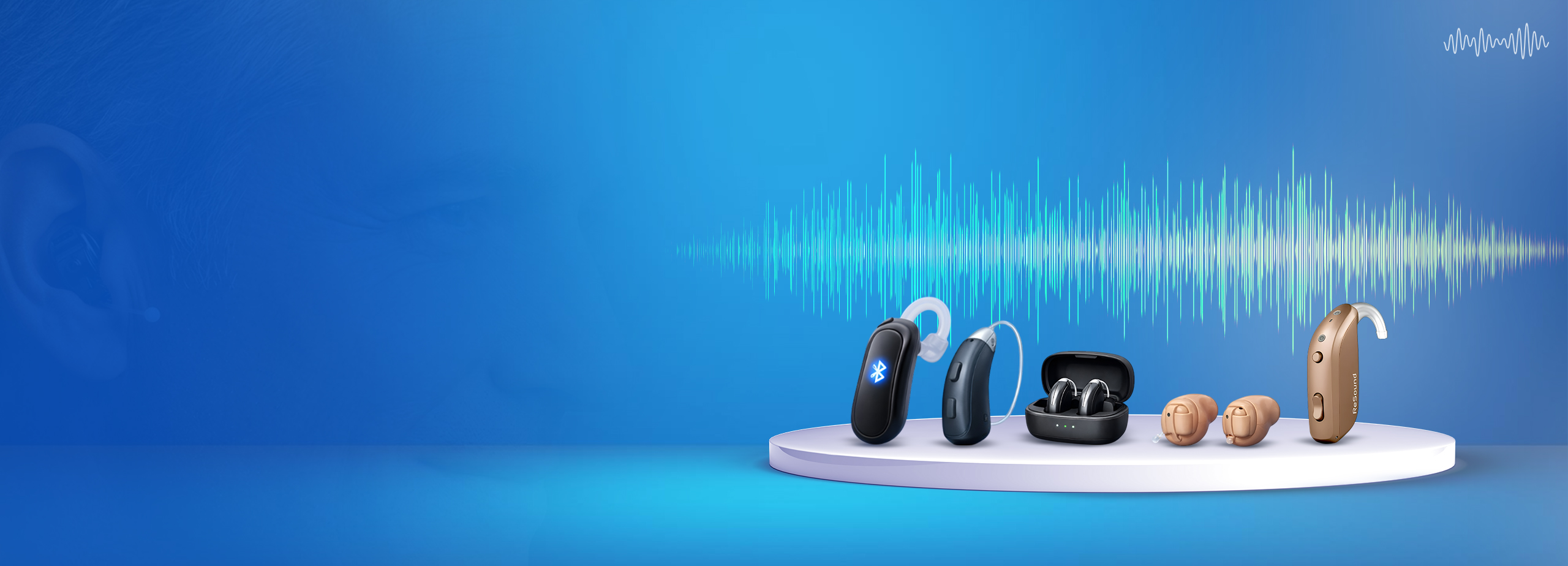
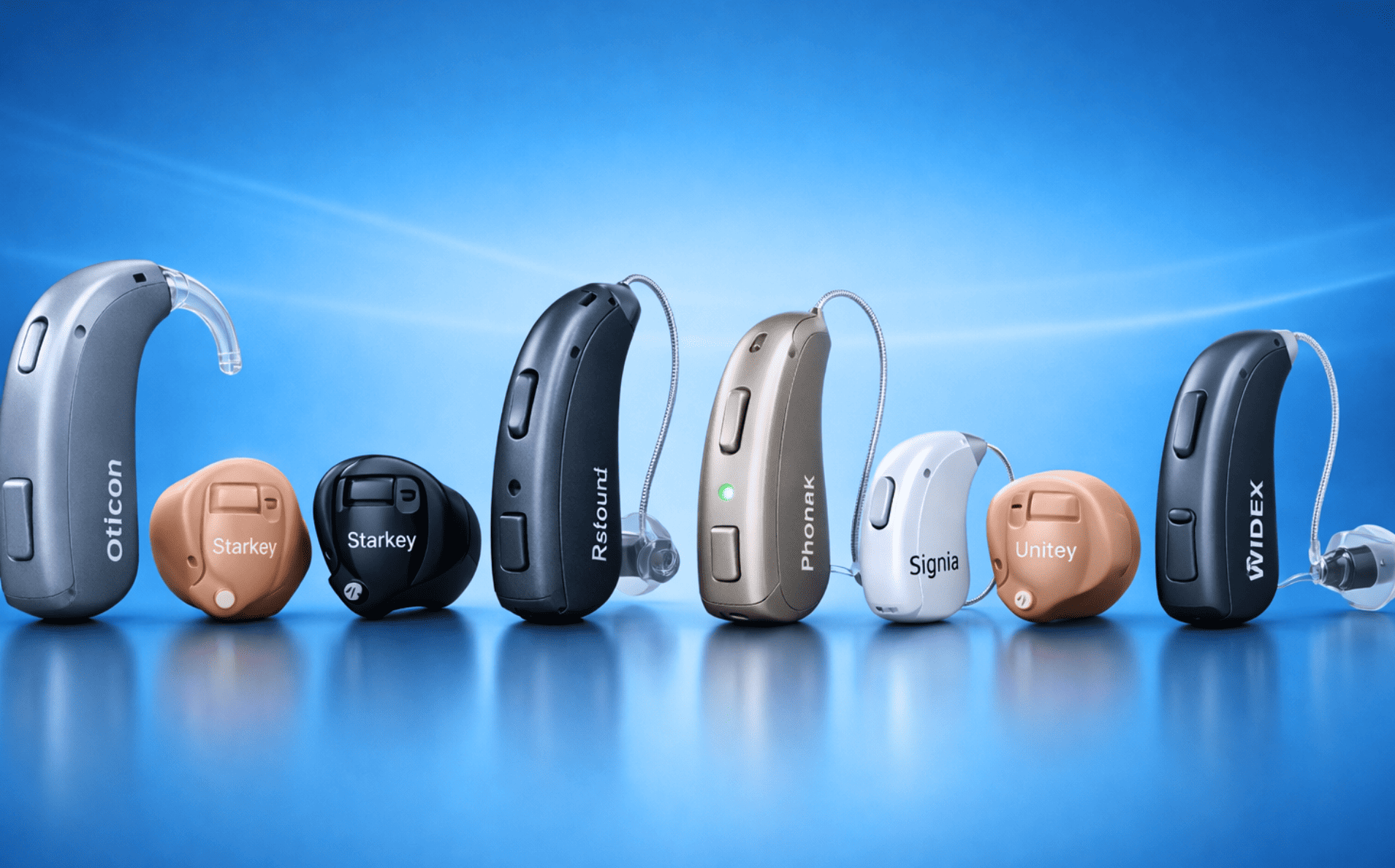
Contact UsAt its core, a hearing aid is more than just a piece of technology, it is a sophisticated tool designed to help you engage fully with the world around you. Today’s devices are sleek, discreet and incredibly smart. They work by capturing the sounds you have been missing, like a grandchild’s whisper or the birds in your garden and processing them to deliver crystal clear audio tailored to your specific hearing needs.
Whether you are in a quiet room or a crowded restaurant, modern hearing aids automatically adjust to ensure you stay connected to every conversation without the strain.
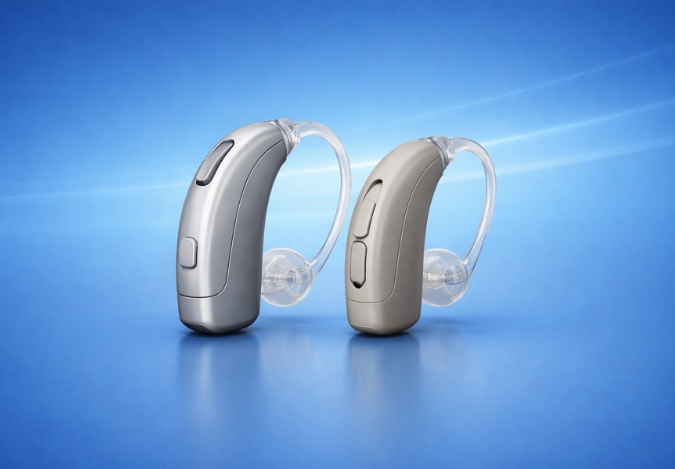
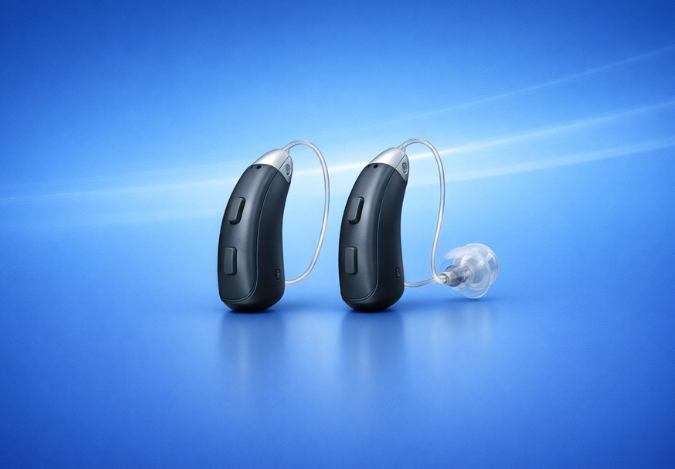
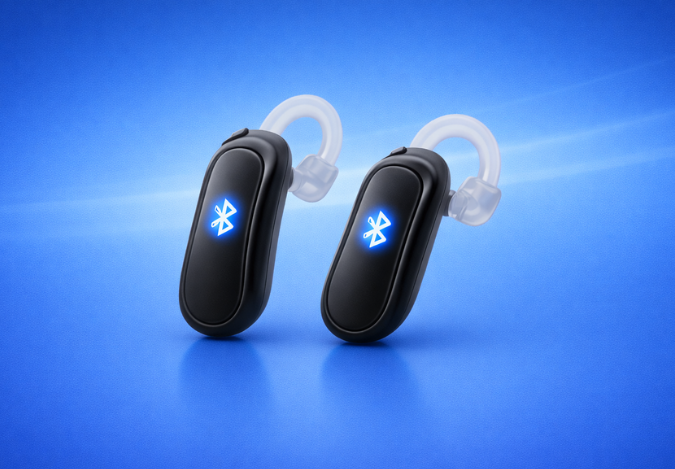
| Feature | BTE (Behind-The-Ear) |
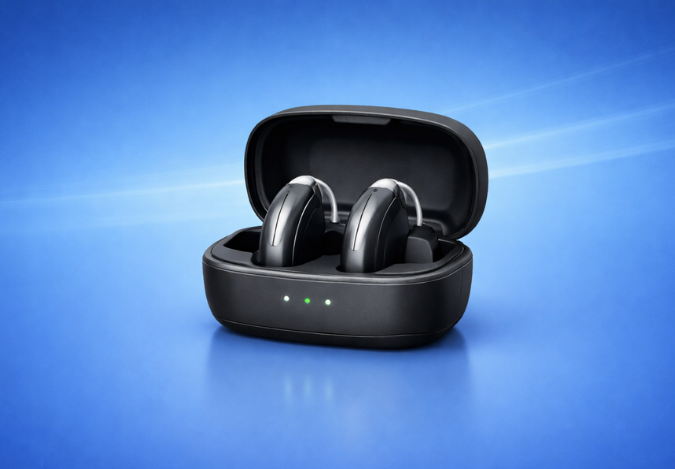
RIC (Receiver-In-Canal) |
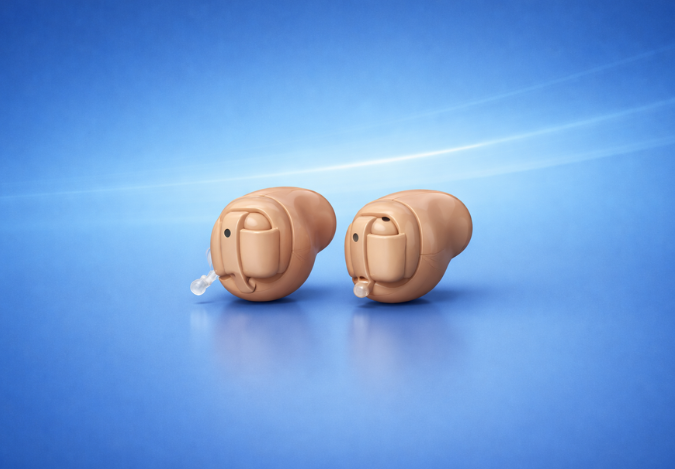
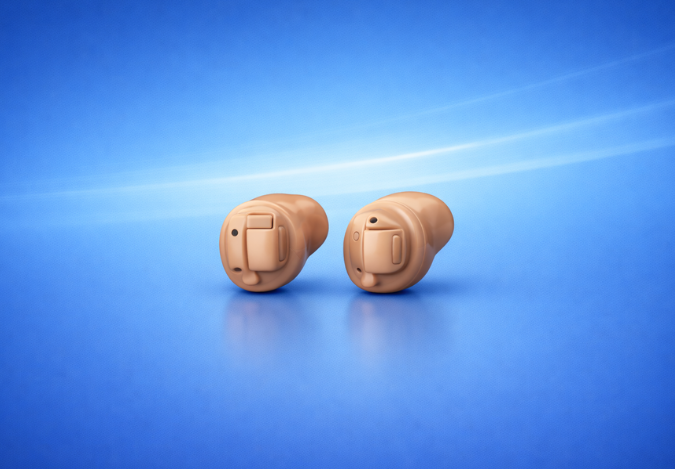
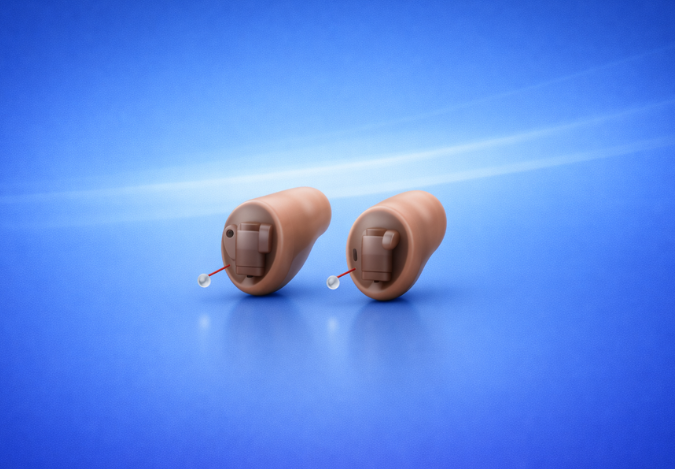
CIC (Completely-In-Canal) |
|---|---|---|---|
| Placement | Behind the ear | Behind ear with speaker in canal | Deep inside ear canal |
| Visibility | Visible | Less visible | Almost invisible |
| Hearing Loss Type | Mild to Profound | Mild to Severe | Mild to Moderate |
| Comfort | Very comfortable | Highly comfortable | Comfort varies by ear size |
| Technology | Advanced features available | Latest & premium tech | Limited advanced features |
| Battery Type | Rechargeable / Disposable | Rechargeable / Disposable | Disposable only |
| Best For | All age groups | Active lifestyle users | Cosmetic preference |
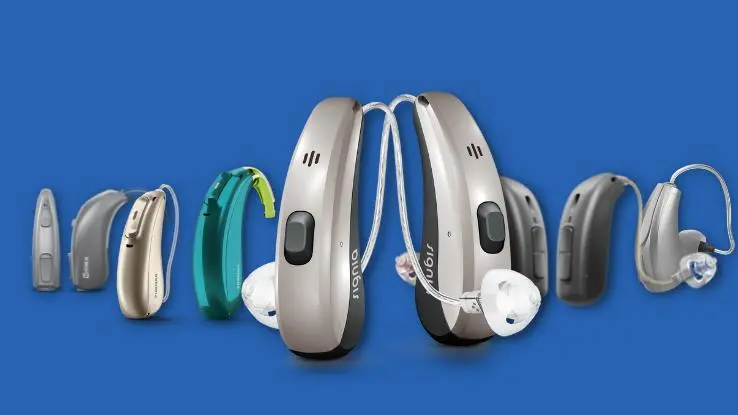
Choosing the right hearing aid is an important decision that can greatly improve hearing ability, communication, and overall quality of life. The right hearing aid depends on the type and degree of hearing loss, which can be accurately identified through a professional hearing test conducted by a qualified audiologist. This evaluation helps determine which hearing aid models and technologies will provide the most effective hearing improvement.
Lifestyle and daily listening environments also play a key role in selecting the best hearing aid. Individuals who spend time in noisy places, attend social gatherings, or have active work routines may benefit from advanced digital hearing aids with features such as noise reduction.